ıCare Family Dental
Dental Crowns and Overlays in Chatswood
When a tooth needs more, a crown or overlay may help restore its shape and function. Both are custom-made restorations fitted to an existing natural tooth. A crown covers the tooth more fully, while an overlay covers the chewing surface and tooth cusps without the same full coverage around its sides.
At iCare Family Dental, the choice starts with the tooth, your concerns and how much healthy structure remains. Our dentist will explain whether a crown, overlay or smaller restoration is suitable, and what the next step involves before you decide.
Consultations are available in English, Mandarin and Cantonese at our Chatswood clinic.
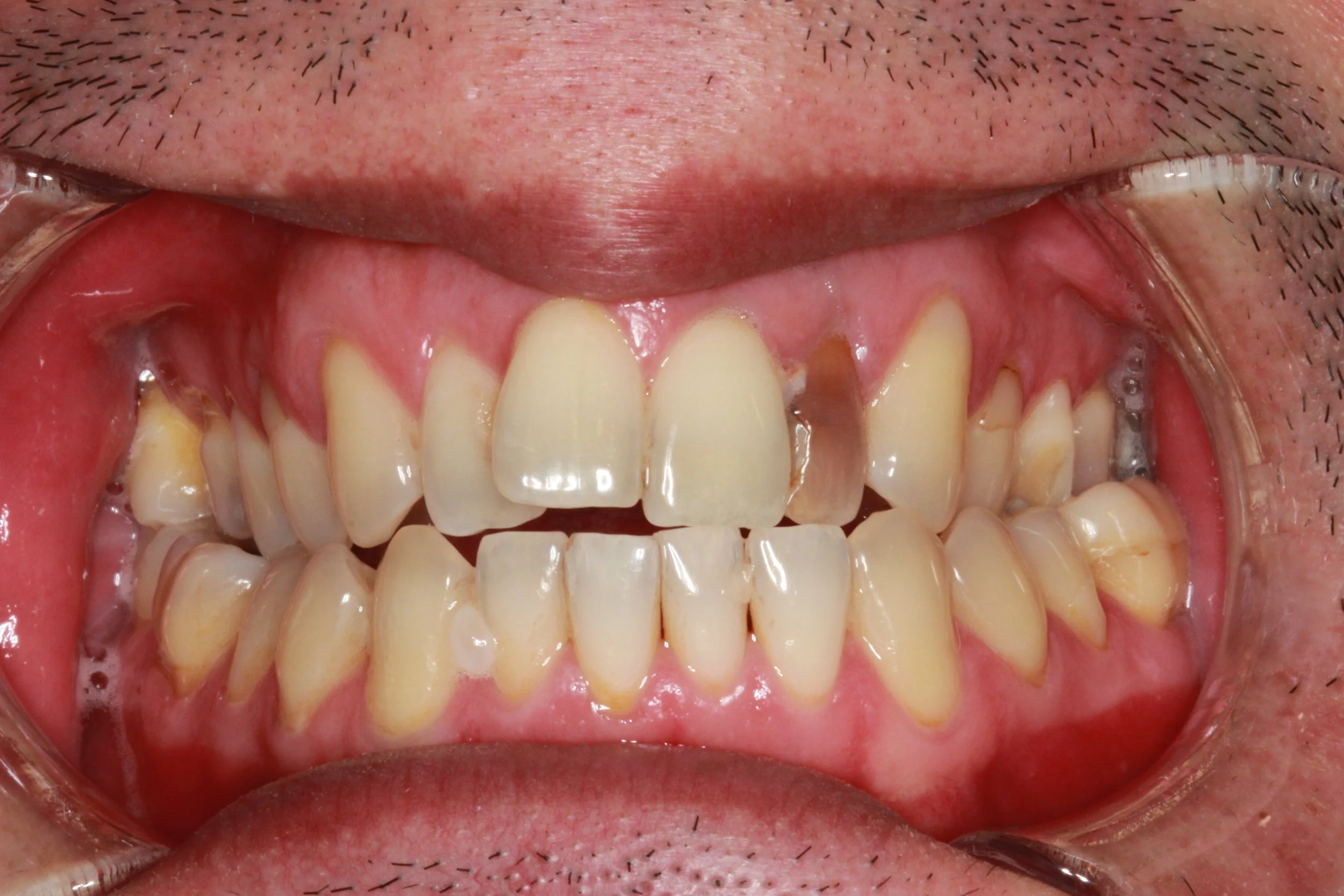
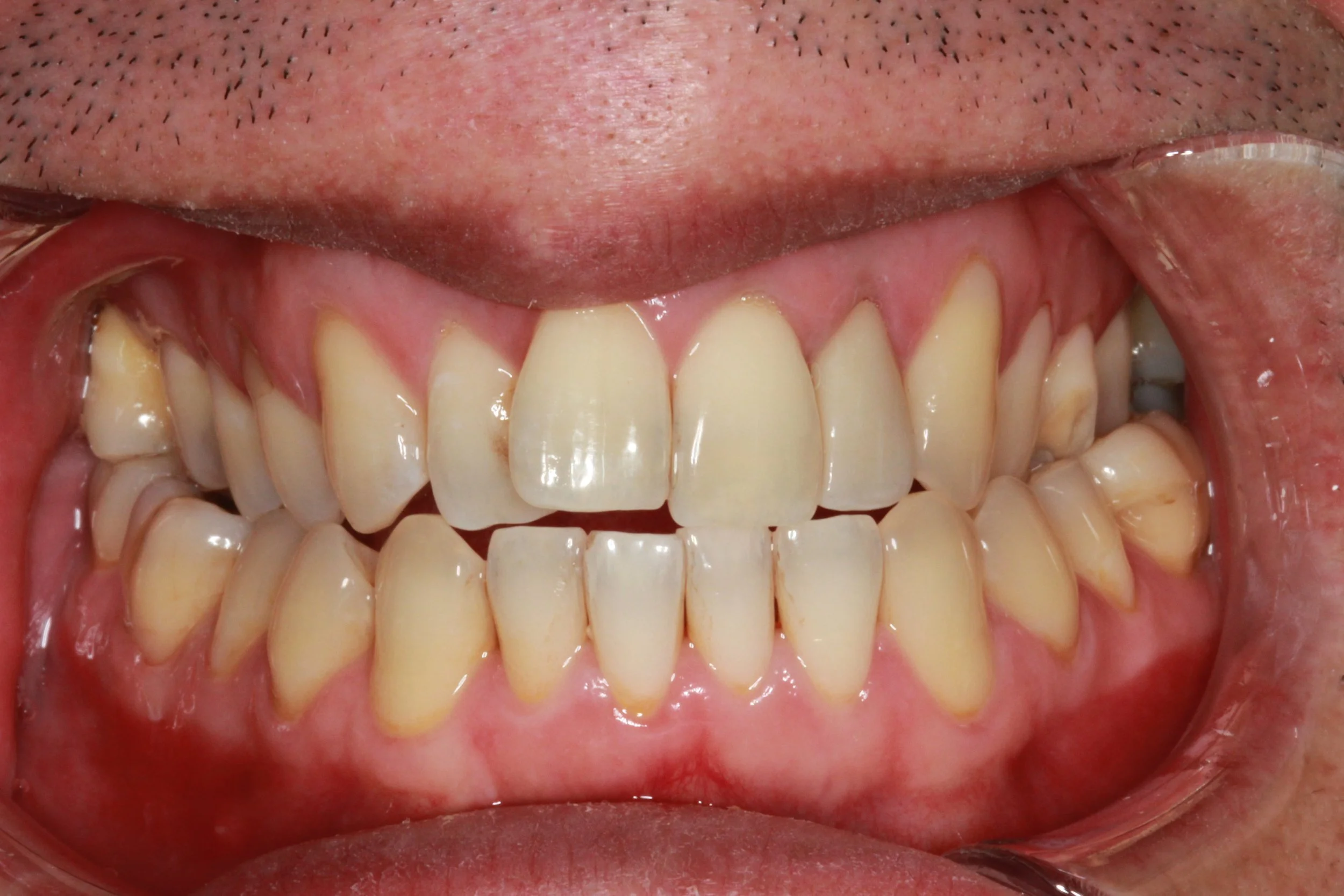
A crown for a discoloured upper front tooth
This case shows a discoloured upper front tooth before treatment and the same tooth after a crown was fitted.
When might a crown or overlay be considered?
A crown or overlay may be discussed when a tooth needs more coverage than a filling alone can provide. Common reasons for assessment include:
- a tooth is badly broken, cracked or worn;
- decay or a large existing filling has left too little sound tooth structure for another filling to be reliable;
- a tooth has had root canal treatment and needs additional protection, depending on its position, chewing load and remaining structure; or
- a tooth needs its shape or function restored, with the amount of coverage guided by the remaining tooth structure.
Neither option is automatically right for every damaged tooth. The depth and extent of any decay or crack, the tooth and gum health, the bite and the amount of sound tooth remaining all matter. If a tooth cannot be predictably restored, our dentist will explain the alternatives.
Crown, overlay or a smaller restoration?
Different restorations cover different amounts of a tooth. The most conservative suitable option depends on where the damage is, how much healthy tooth remains and what the tooth needs to withstand.
| Option | What it covers | When it may be discussed |
|---|---|---|
| Filling | Rebuilds a localised damaged or decayed part of the tooth. | When the remaining tooth can support a direct restoration. |
| Onlay / overlay | An onlay covers one or more cusps. An overlay extends across the chewing surface to cover all the cusps, while leaving more of the tooth’s sides uncovered than a full crown. | When cuspal coverage is needed and the remaining tooth is suitable for a partial-coverage restoration. |
| Natural-tooth crown | Covers the prepared natural tooth more fully. | When the tooth needs broader coverage to restore its shape and function. |
| Veneer | Covers mainly the front surface of a tooth. | When the concern is primarily the visible surface, colour or shape and the tooth does not need the same extent of structural coverage. Learn more about dental veneers. |
| Implant crown | Replaces the visible part of a missing tooth and is attached to an implant in the jaw. It is not supported by a natural tooth. | When a tooth is missing and implant treatment is being considered. Read about dental implants. |
The names can sound similar, but they do different jobs. An examination is needed to decide which option is appropriate for a particular tooth.
Onlay restorations: two iCare cases
These photographs show the teeth before and after onlay restoration. Each pair is from the same case.
Case 1 — Two neighbouring back teeth
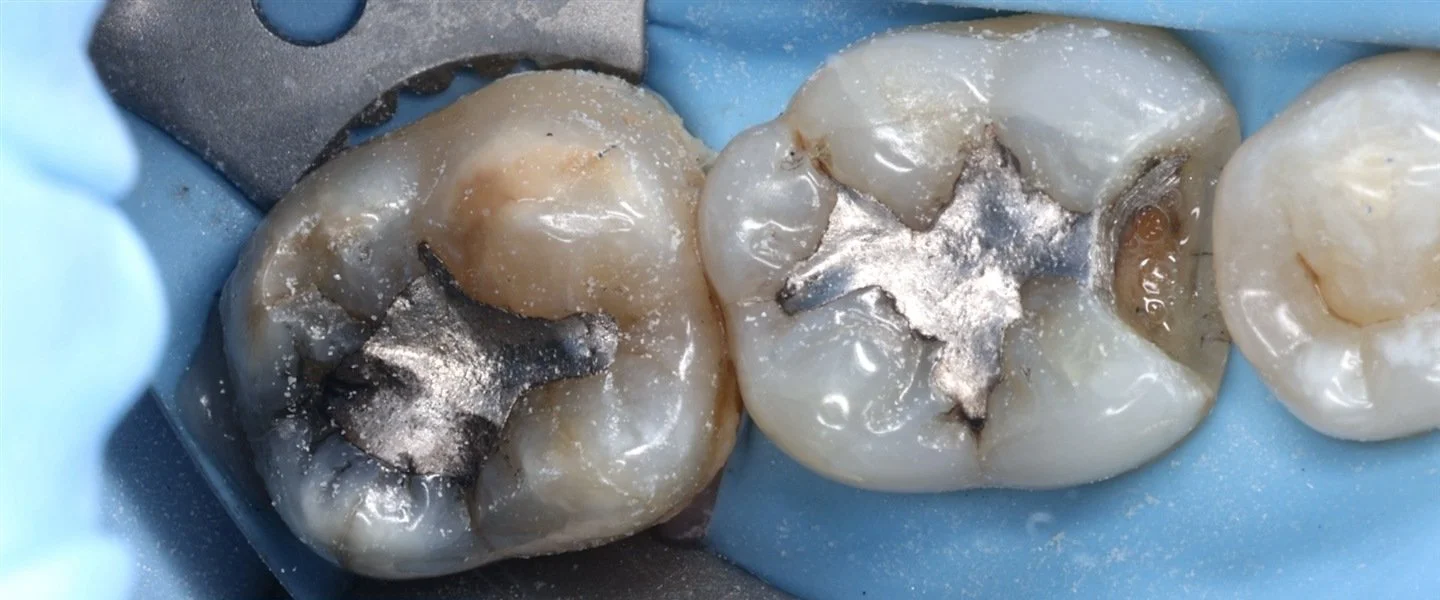
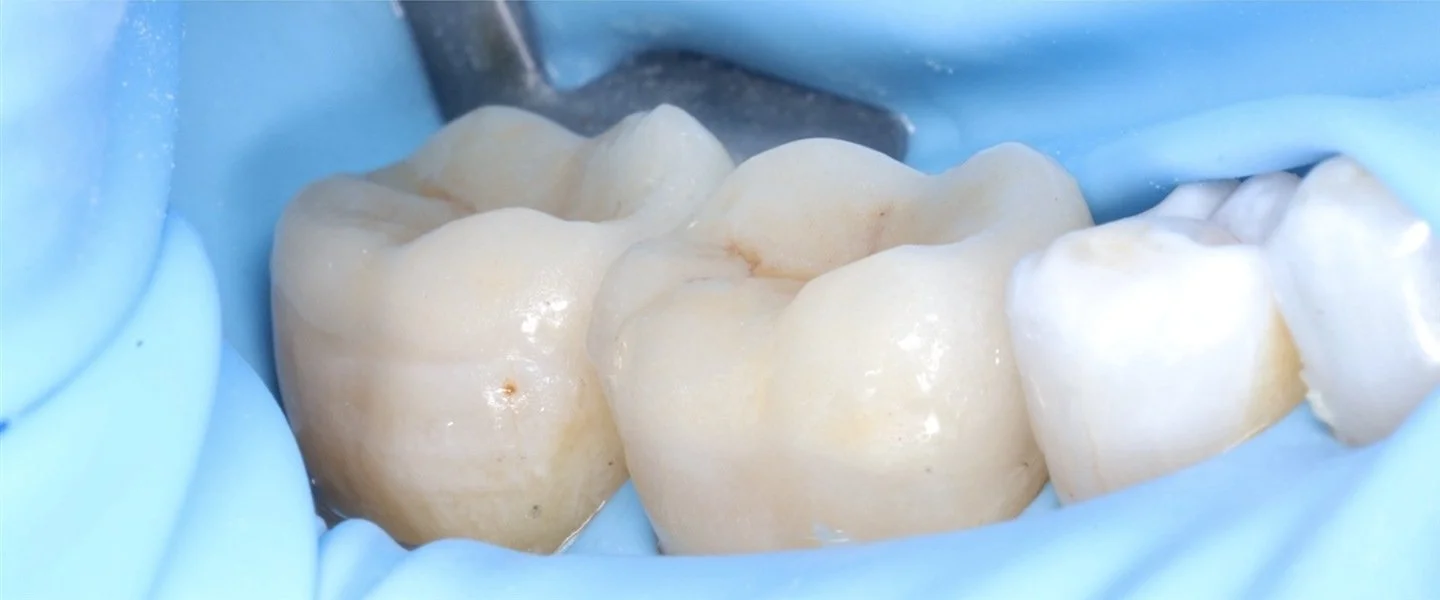
Case 2 — A back tooth, viewed from above
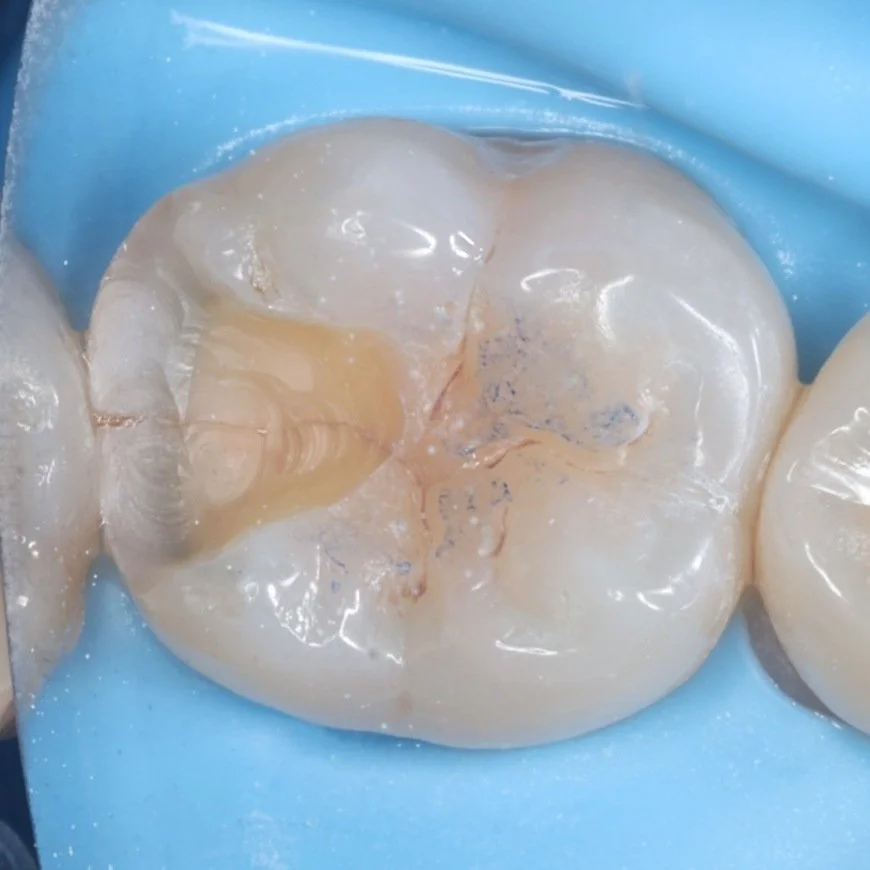
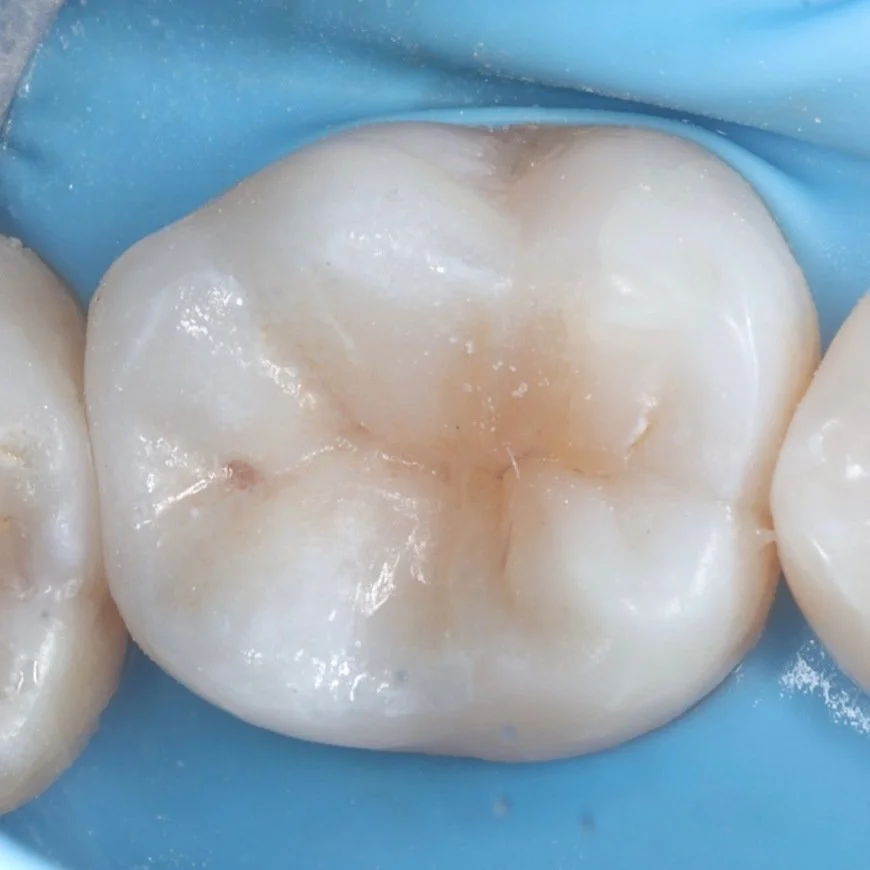
Does a crown mean I need root canal treatment?
No. A crown and root canal treatment address different parts of a tooth.
Root canal treatment treats infected or damaged pulp inside the tooth. A crown or overlay restores the outer part of the tooth. Needing either restoration does not automatically mean root canal treatment is needed. After root canal treatment, the choice of restoration depends on the tooth’s position, chewing forces and how much natural tooth remains.
The dentist needs to assess the pulp as well as the remaining tooth before recommending a plan. A tooth prepared for a crown can occasionally need further treatment if the pulp later becomes inflamed or infected, but this is not an automatic part of crown treatment.
What does crown or overlay treatment involve?
The steps, number of appointments and timing depend on the tooth, the restoration and how it is made. The general process includes:
Assessment and planning
The dentist examines the tooth, the surrounding gums and the way the teeth meet. Your symptoms, dental history and goals help shape the recommendation. An X-ray or other records may be needed to assess areas that cannot be seen directly.
Choosing the restoration and material
Our dentist considers whether a crown, overlay or smaller restoration is suitable and explains the relevant material choices before preparing the tooth.
Preparing and recording the tooth
Local anaesthetic may be used to minimise discomfort. Damaged or decayed material is removed as needed, and the tooth is prepared for the planned restoration. An impression or digital scan records its shape and the surrounding teeth.
Protecting the tooth between visits, when required
If the final restoration is fitted at a later appointment, a temporary restoration may be needed to protect the tooth in the meantime.
Checking and fitting the final restoration
Our dentist checks the fit, shape and bite, and the colour where relevant, before securing the final restoration. Any temporary restoration is removed first.
How is the restoration material chosen?
Material choice depends on whether a crown or overlay is planned and what the tooth needs to withstand. Crowns may be made from ceramics, metal alloys or a combination. Overlays can be made from suitable ceramic or resin-based materials.
The suitable choice depends on factors such as where the tooth sits, how it meets the opposing teeth, the balance between appearance and function, the available tooth structure and the material’s particular trade-offs. The relevant options should be discussed for the individual tooth rather than chosen from a generic marketing label.
Will crown or overlay treatment hurt?
Local anaesthetic may be used during tooth preparation to minimise pain or discomfort. You may still notice pressure or vibration while the tooth is being worked on. Some sensitivity or tenderness around the tooth and gum can occur after treatment and should settle rather than worsen.
Contact us if pain is severe, persistent or increasing, if the restoration feels too high when you bite, or if you develop swelling. A new restoration should not be left uncomfortable.
Looking after a temporary crown
A temporary crown is designed to protect the prepared tooth while the final crown is being made. Because it is provisional, it can loosen or come off more easily than the final crown.
Keep the area clean as instructed and avoid very hard or sticky foods around the temporary crown. If it moves or comes off, contact the dentist. Keep a crown that has come out and take it to the appointment.
How long can crowns and overlays last?
There is no fixed expiry date. How long a restoration lasts depends on the supporting tooth, the material, the bite and ongoing care. Repair or replacement may be needed over time.
Longevity can be affected by:
- the condition of the supporting tooth and gums;
- how the tooth was prepared and how the restoration fits;
- the restoration material;
- cleaning around the restoration and between the teeth;
- biting forces, clenching or grinding;
- diet, trauma and habits such as chewing ice or using teeth as tools; and
- ongoing dental review.
The restoration itself cannot develop tooth decay, but the natural tooth at the edge of or underneath it still can. Brush twice a day with fluoride toothpaste, clean between the teeth every day and have the restoration and supporting tooth checked as part of ongoing dental care. If you clench or grind your teeth, ask whether additional protection may be appropriate.
For ongoing preventive care, see our information about a dental check-up and clean.
What if an old crown is loose, chipped or painful?
An older crown does not need replacement simply because of its age, but it should be assessed if:
- it feels loose or has fallen off;
- it has chipped, cracked or developed a sharp edge;
- the tooth is painful, sensitive or uncomfortable to bite on;
- food repeatedly catches around it or there is a persistent bad taste or odour; or
- the gum beside it is sore or swollen.
The dentist needs to assess both the crown and the natural tooth supporting it. Depending on what is found, the crown may be re-cemented, repaired or replaced; the tooth may need separate treatment; or another option may be discussed if the tooth cannot be predictably restored.
If a crown has come out, keep it, avoid chewing hard foods on that tooth and take it to the appointment. Severe or increasing pain, swelling or dental trauma needs prompt care. Book urgent dental care in Chatswood, or call us for the next available appointment. If swelling makes it difficult to breathe, talk or swallow, call 000 or go to a hospital emergency department.
What affects the cost of a crown or overlay?
The fee depends on the tooth and the agreed treatment plan. Relevant factors include the type and material of restoration, the work needed to make it, treatment complexity and whether any separate treatment is needed first.
After assessment, ask for a written estimate that separates the planned restoration from any additional treatment. If you plan to claim through private health insurance, use the proposed item numbers to check your benefit and out-of-pocket cost directly with your fund.
Why talk to iCare about crowns and overlays?
A decision that respects the natural tooth
Our approach is to preserve natural tooth structure where appropriate and explain why a crown, overlay or another restoration is being considered. Technology can assist planning and records, but our dentist is responsible for the clinical judgement.
An individual result, not a template
Function, fit and appearance all matter. For a visible tooth, the aim is a result that belongs beside the neighbouring teeth and suits the individual smile rather than an automatic, overly white look.
A real case, clearly explained
The crown case on this page shows the same natural upper front tooth before and after treatment. It illustrates one patient’s treatment, not a promise of the same result for everyone.
Clear conversation in Chatswood
iCare Family Dental offers consultations in English, Mandarin and Cantonese. The clinic has 200+ five-star Google reviews and welcomes patients from Chatswood, Sydney North Shore and other areas.
Talk through the options before you decide
If you have been told you may need a crown, want to understand whether an overlay or filling could be suitable, or have a problem with an existing restoration, book an assessment so the tooth and its options can be considered properly.